

Service · VRF / VRV Solutions
One outdoor unit. Dozens of zones. One consistent climate.
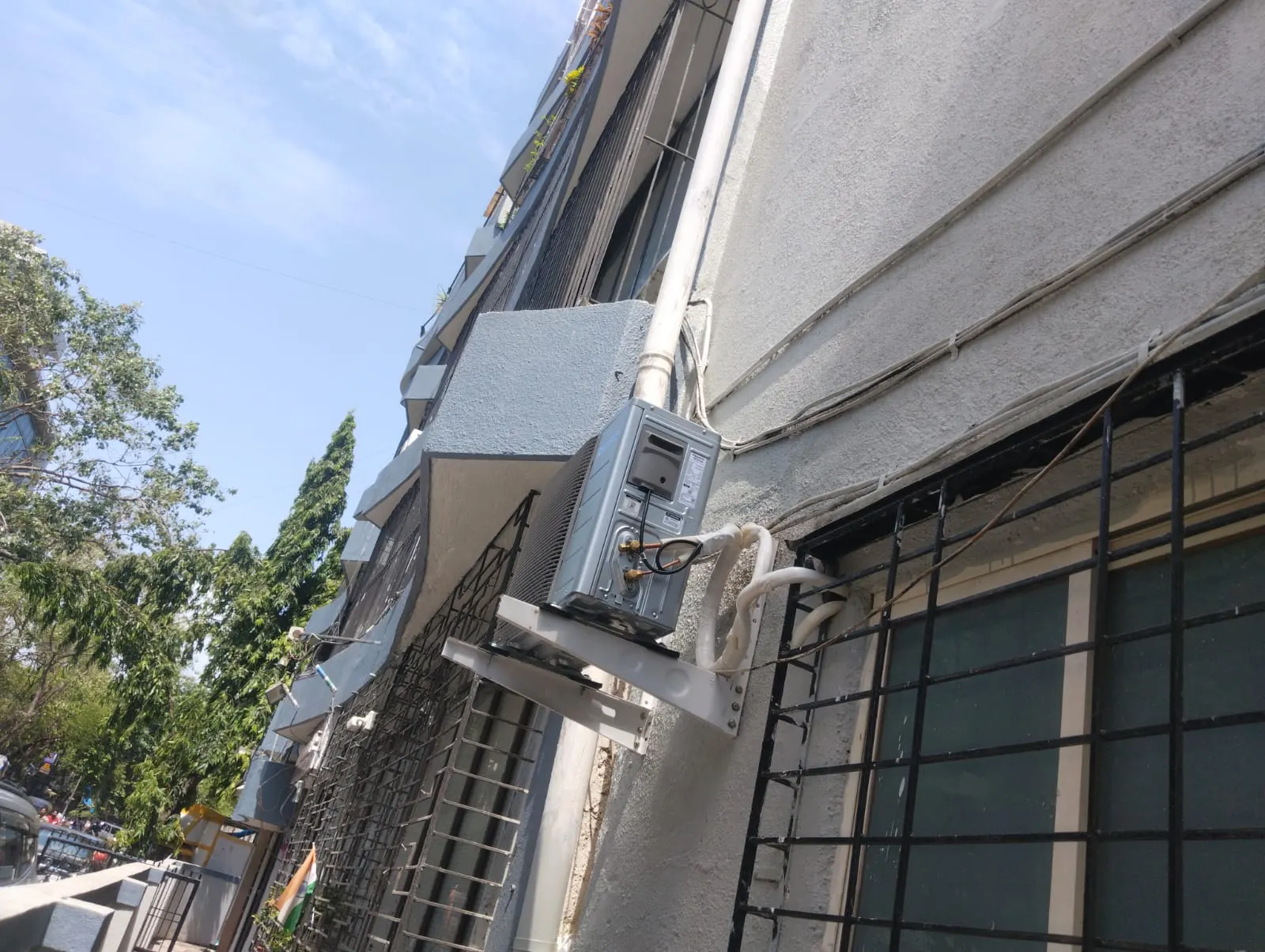
Variable Refrigerant Flow and Volume systems built for multi-floor buildings — precise, independent control room by room, without a condenser on every balcony or a duct through every wall.
Overview
Built for buildings, not just rooms
A VRF/VRV system replaces dozens of individual outdoor condensers with one (or a small bank of) outdoor units, connected through refrigerant piping to indoor units spread across floors — each running independently, at its own capacity and temperature.
That single change simplifies everything downstream: less facade clutter, one point of electrical connection, one refrigerant charge to monitor, and dramatically simpler long-term maintenance than a building full of separate split systems.
- One outdoor unit branching to multiple independent indoor zones
- Precise, room-by-room temperature control
- Sized, piped and commissioned by OEM-trained technicians
Applications
Where a multi-zone system pays for itself
Six building types where VRF/VRV consistently outperforms a building full of separate splits.
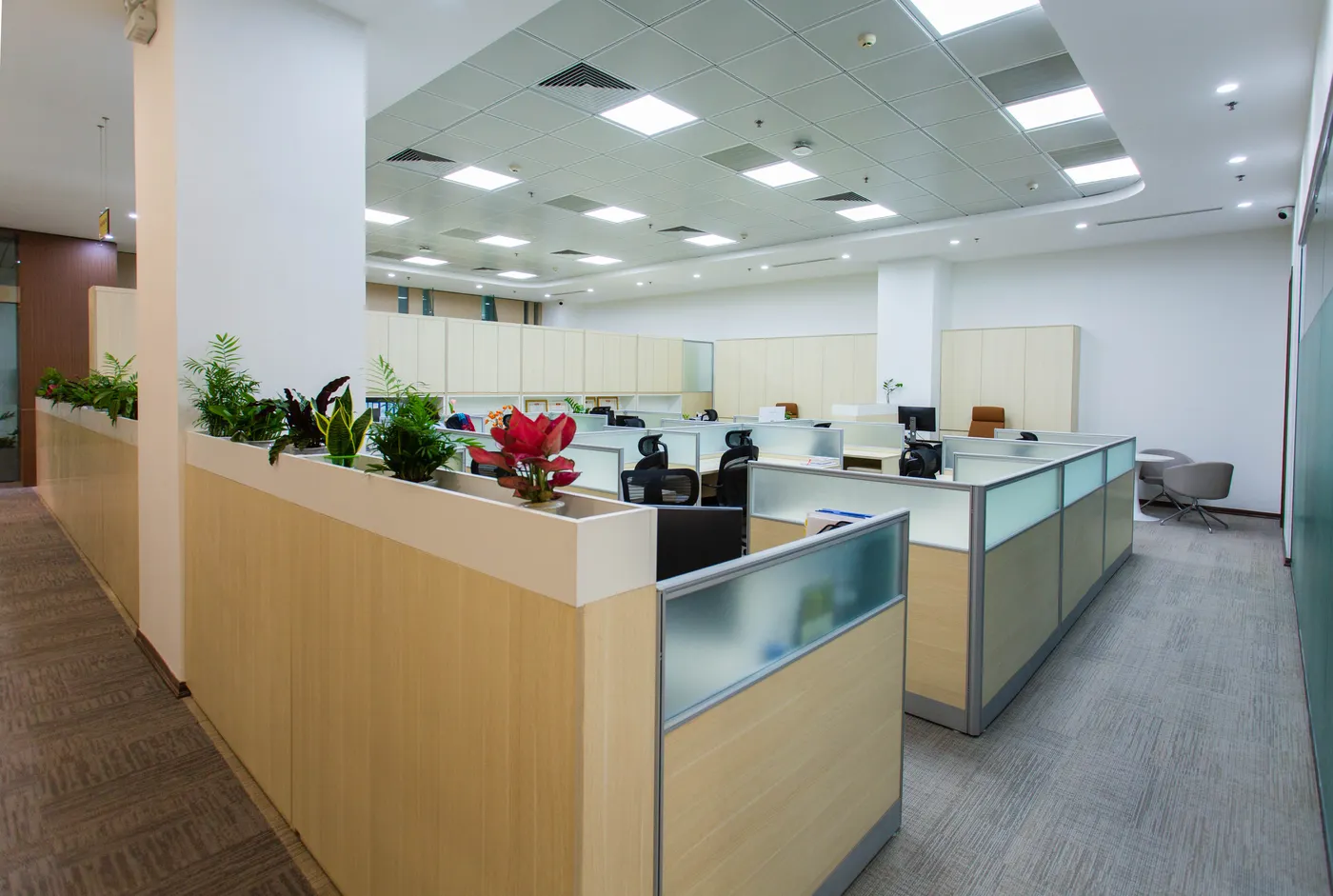
Multi-Floor Corporate Offices
Every cabin and floor independently controlled from one outdoor plant, with no rooftop clutter of separate condensers.

Hotels & Hospitality
Guest rooms, corridors and function spaces zoned separately, so occupied and empty floors aren't cooled the same way.
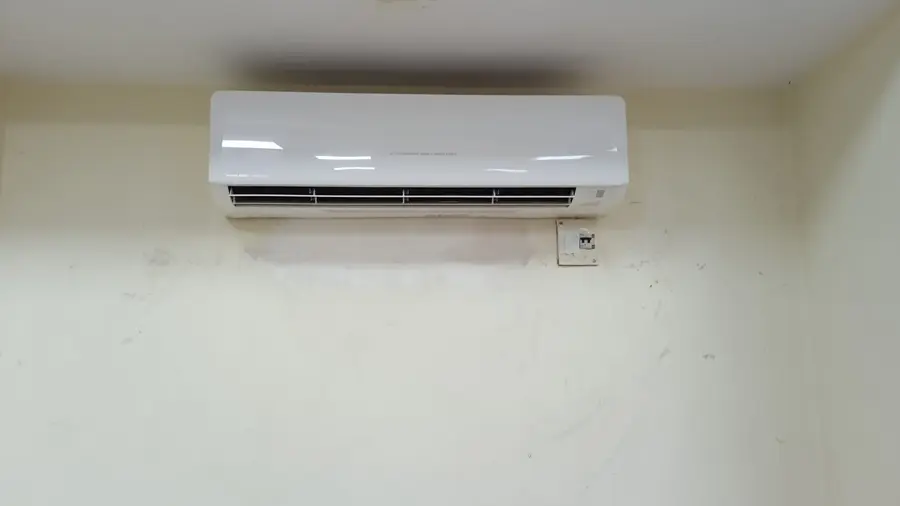
Hospitals & Healthcare
Isolatable zones mean one indoor unit can be serviced without shutting cooling to the rest of the ward.
Shopping Malls & Multiplexes
High-occupancy common areas and individual retail units zoned and metered separately from one plant room.

Educational Campuses
Classrooms, labs and administrative blocks each independently zoned, scaled to a full campus from one system.
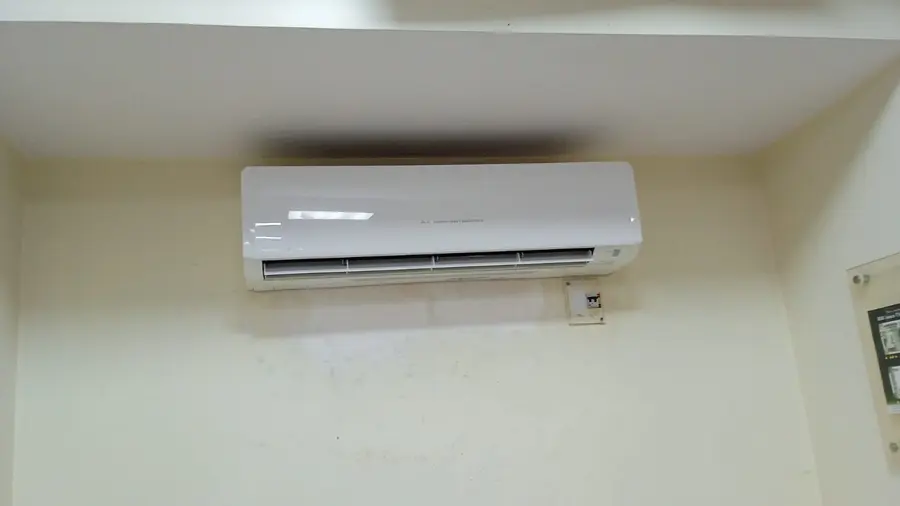
Residential Towers & Villas
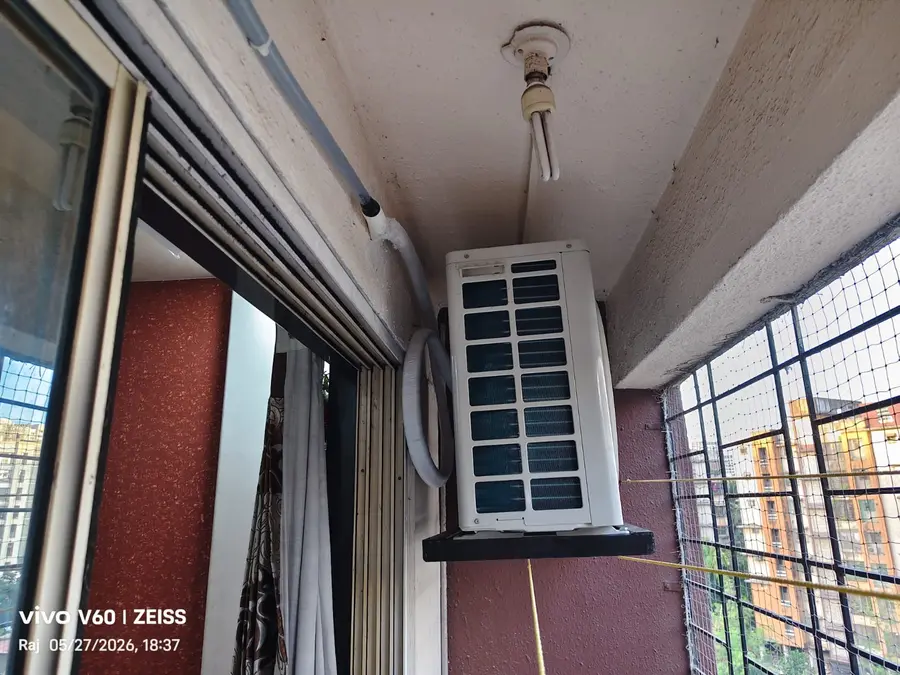
Split-style indoor comfort in every room without a condenser on every balcony or facade.
Key features
What makes VRF/VRV worth the design effort
One outdoor unit, every zone
A single condensing plant branches through refrigerant piping to dozens of independent indoor units.
Independent zone-level control
Each indoor unit runs its own temperature and schedule, without affecting the floor above or below.
Long refrigerant piping runs
Engineered for vertical risers and long horizontal runs across multi-floor buildings without losing capacity.
Heat-recovery efficiency
Select heat-recovery VRF systems move energy between zones that need heating and cooling simultaneously.
Industries we serve
Multi-zone HVAC across every commercial building type
Commercial Buildings
Offices
Hotels
Hospitals
Manufacturing Units
Warehouses
Shopping Malls
Educational Institutions
Restaurants
Residential Projects (where applicable)
From the project gallery
VRF / VRV installations we've completed

Muktangan Learning & Growing Together
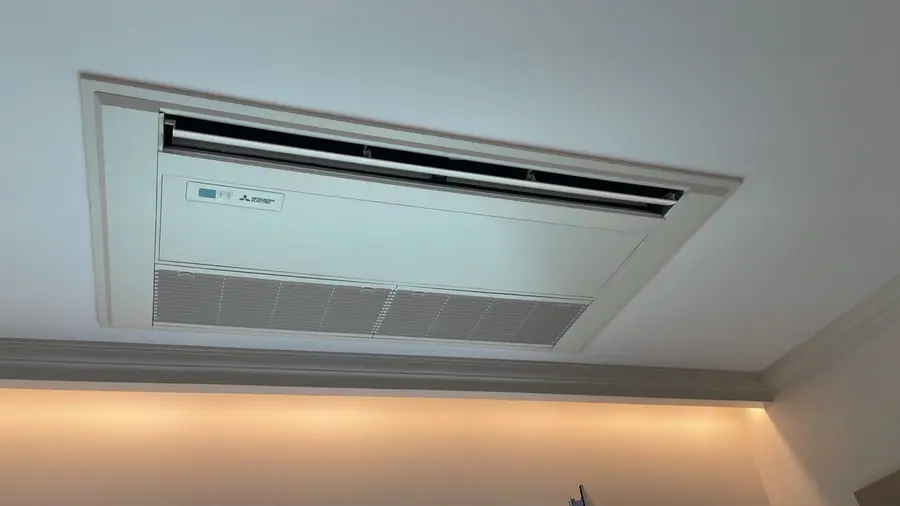
Godrej · Chembur
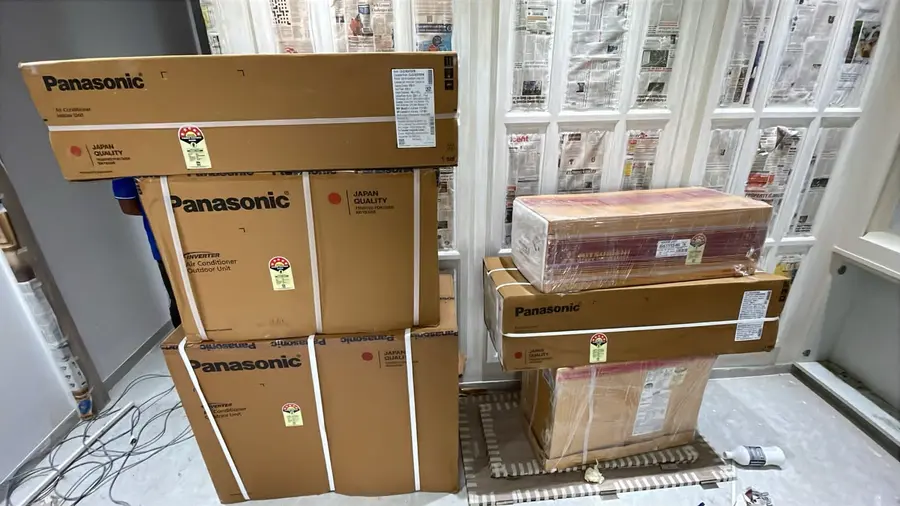
Regency Estate Clubhouse Annexe

Boutique Hotel, Bandra

Jayamahal Residency
Our process
From site inspection to ongoing maintenance
Seven steps — the same accountable team from the first site visit to the annual service call.
Step 01
Site Inspection
We assess floor count, riser shafts and pipe routing feasibility across the building.
Step 02
Consultation
We discuss zoning strategy, outdoor unit placement and brand options against your building's constraints.
Step 03
Design
Full heat-load calculation, refrigerant piping layout and indoor unit selection, floor by floor.
Step 04
Installation
Outdoor unit rigging, branch joint fitting and indoor unit mounting carried out floor by floor.
Step 05
Testing
Every branch joint pressure-tested, refrigerant charge verified, and each zone checked independently.
Step 06
Handover
Central controller and per-zone operation demonstrated to your facilities team, floor by floor.
Step 07
Maintenance
Scheduled refrigerant, filter and branch-joint checks under AMC, across every connected zone.
Why choose Balaji Enterprises
Numbers we can actually stand behind
0Projects
0Brands
0Years
0Customer Satisfaction
24×7Support












FAQ
Common questions about VRF / VRV solutions
What is the difference between VRF and VRV systems?
VRV (Variable Refrigerant Volume) is Daikin's original trademarked name for the technology; VRF (Variable Refrigerant Flow) is the generic industry term other manufacturers use for the same concept. Functionally they do the same job — one outdoor unit varying refrigerant flow to multiple indoor units — so the terms are used interchangeably in practice.
How many indoor units can one VRF/VRV outdoor unit support?
Depending on the outdoor unit's capacity, a single condensing unit can typically serve anywhere from 8 to over 60 indoor units across multiple floors, each running independently. We size the exact configuration against your building's actual heat load and zoning during design.
Is VRF/VRV suitable for a mid-rise residential building?
Yes — VRF/VRV is a common choice for premium apartment towers and villas where owners want split-style indoor units in every room without cluttering the facade with individual outdoor condensers. It also simplifies common-area maintenance versus dozens of separate systems.
How is a VRF/VRV system different from a ductable or split system?
A split or ductable system pairs one outdoor unit with one indoor unit or duct network. VRF/VRV breaks that 1:1 relationship — a single outdoor unit branches through refrigerant piping to many indoor units of different types and capacities, each independently controlled, which is what makes it efficient for multi-floor buildings.
What happens if one indoor unit in a VRF/VRV system needs repair?
Individual indoor units can usually be isolated and serviced without shutting down the whole system, so the rest of the building keeps running. This is one of the practical advantages over a single large ducted plant serving everything from one point of failure.
How long does a VRF/VRV installation take for a commercial building?
It depends on the number of indoor units and piping runs, but a typical multi-floor commercial fit-out runs from a few days for a small building to several weeks for a full high-rise, scheduled in phases so occupied floors aren't disrupted.
What maintenance does a VRF/VRV system require?
Refrigerant charge, indoor filter and coil cleaning, and controller diagnostics are checked on a scheduled AMC visit, plus periodic verification of branch joint pressure across the piping network — a more involved check than a single split system, which is why we recommend an AMC from day one.
Which brands do you supply and install for VRF/VRV?
We're authorised VRF/VRV dealers for Daikin, Mitsubishi Electric, Mitsubishi Heavy Industries, Hitachi, Voltas, Carrier and LG, among others — recommending the system that fits your building, not a single brand's catalogue.
Client testimonials
Trusted by Businesses Across Mumbai
Real feedback from our commercial, industrial and residential HVAC clients.
- 0 Rating
- 0 Installations
- 0 Satisfaction
- 24×7 Support
★★★★★
Six floors, one outdoor plant, zero rooftop clutter. Balaji's VRV design gave every floor its own thermostat without the facade turning into a condenser wall.
Facilities Lead
TCS Logistics
★★★★★
Quiet classrooms matter as much as cool ones. Their VRV installation across our campus delivered both, with each block controlled separately.
Administrator
Muktangan Learning & Growing Together
★★★★★
When one indoor unit needed attention, the rest of the building kept running. That isolation alone justified the switch to VRV for us.
Facilities Manager
Godrej · Chembur
Related services
Before and after a VRF/VRV fit-out
-
Multi-Brand HVAC Solutions
Consultation and equipment recommendation across 12 authorised brands.
Learn More -
HVAC Layout & Design
Heat-load calculation and ducting layout before a single unit is bought.
Learn More -
Installation
In-house trained technicians, clean workmanship, and handover on the date we quote.
Learn More -
-
-
-
Commercial & Ductable Solutions
Concealed ductable systems sized and balanced for commercial-scale spaces.
Learn More -
Currently viewing
VRF / VRV Solutions
One outdoor unit, multiple indoor zones for precise multi-floor climate control.
Learn More -
Pressure & Ventilation Solutions
Fresh-air ventilation and pressurisation systems for compliant, breathable spaces.
Learn More
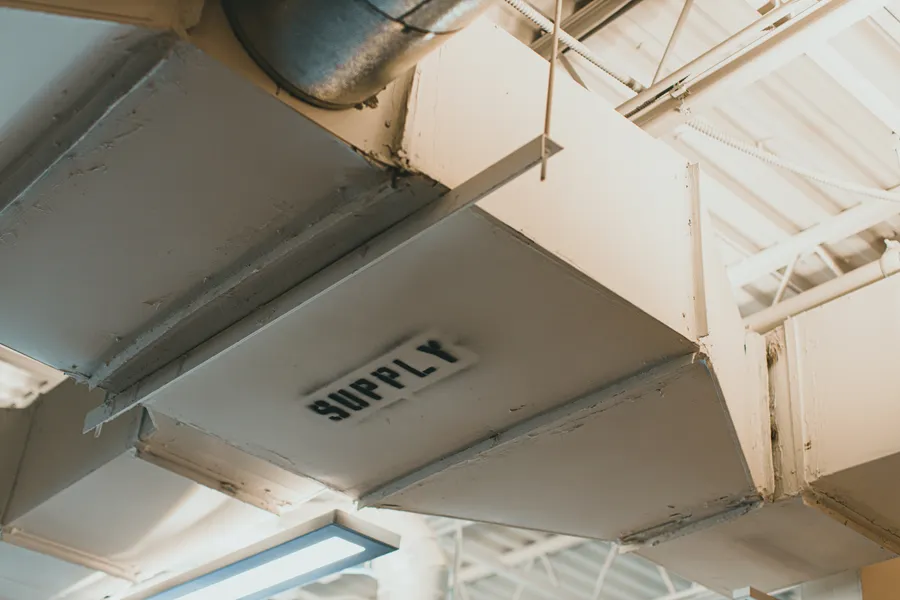

Planning a multi-floor VRF/VRV fit-out?
We'll confirm zoning, piping routes and a firm date before we start.